

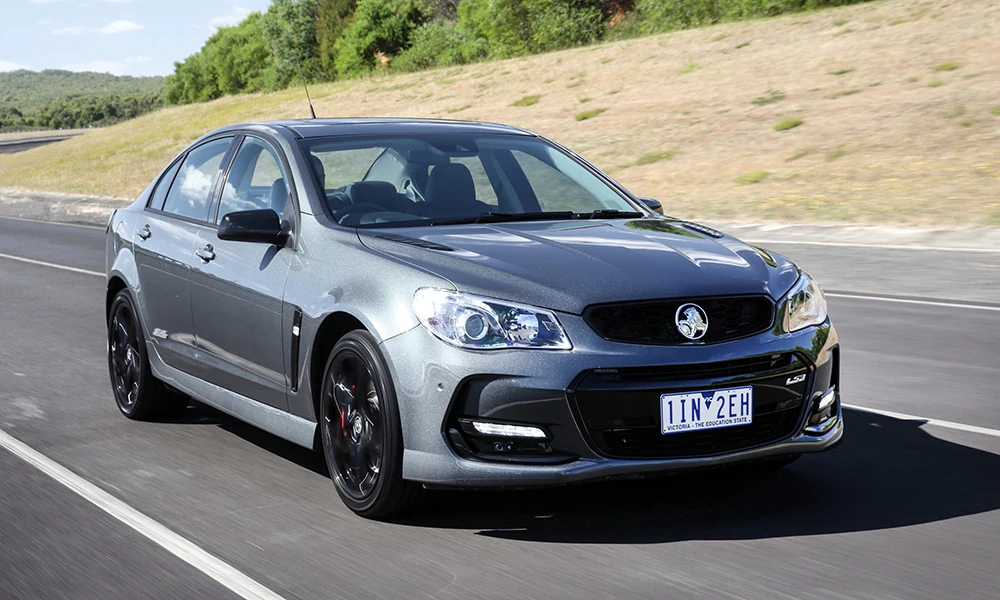
Climate changes how a used car wears, and it changes where a buyer should look first. Cars from snowy or coastal areas tend to fight rust underneath. Cars from hot, dry areas usually stay clean underneath but take a beating from the sun. Anyone shopping for used cars in chandler or another hot, dry region will see more of the second kind. Neither type is automatically better. Each one simply needs a different inspection.
Heat and Sun Attack a Different Set of Parts
In hot, dry places, the metal often survives well. Rubber and plastic do not. Ultraviolet light, the part of sunlight that causes sunburn, breaks these materials down over time.
The signs are easy to spot once a buyer knows them. Clear coat, the shiny top layer of paint, turns cloudy and peels on the roof and hood. Dashboards crack. Headlight covers turn yellow and hazy. Door seals and window trim shrink and split.
Heat also works under the hood. Hoses and belts harden and crack sooner. Car batteries tend to wear out faster in hot climates, sometimes with little warning.
Tires can age badly too. Fine cracks in the sidewall, known as dry rot, can show up on tires with plenty of tread left. A tire’s age matters as much as its tread depth.
Rust Damage and Sun Damage Side by Side
The two kinds of wear differ in where they appear and how hard they are to fix. A buyer reviewing used cars in chandler is more likely to meet the sun damage in this table than the rust.
| Area | Wet or salted roads | Hot and sunny climate |
|---|---|---|
| Underbody | Rust on frame, brake lines and fuel lines | Usually clean and dry |
| Paint and body | Bubbling near wheel wells and doors | Faded paint and peeling clear coat |
| Rubber parts | Moderate wear | Cracked seals, hoses and belts |
| Interior | Damp carpets and a musty smell | Cracked dashboard and faded seats |
| Battery | Strain from cold starts | Shorter life from constant heat |
| Repair difficulty | Can be structural and hard to fix | Mostly cosmetic or routine part swaps |
Sun damage usually costs less to put right, because most of it involves parts that unbolt and replace. Deep rust in the frame can make a car unsafe and not worth repairing.
Weighing Climate Wear Against Price
Climate wear should shape both the inspection and the offer. A sun worn car with a clean underbody is often a sound buy. The price should still reflect any tires, battery or seals it may soon need. Serious frame rust is a different matter, whatever the asking price. Check where the car lived first, then look hardest at the parts that climate attacks.